
The dark horse philosophy
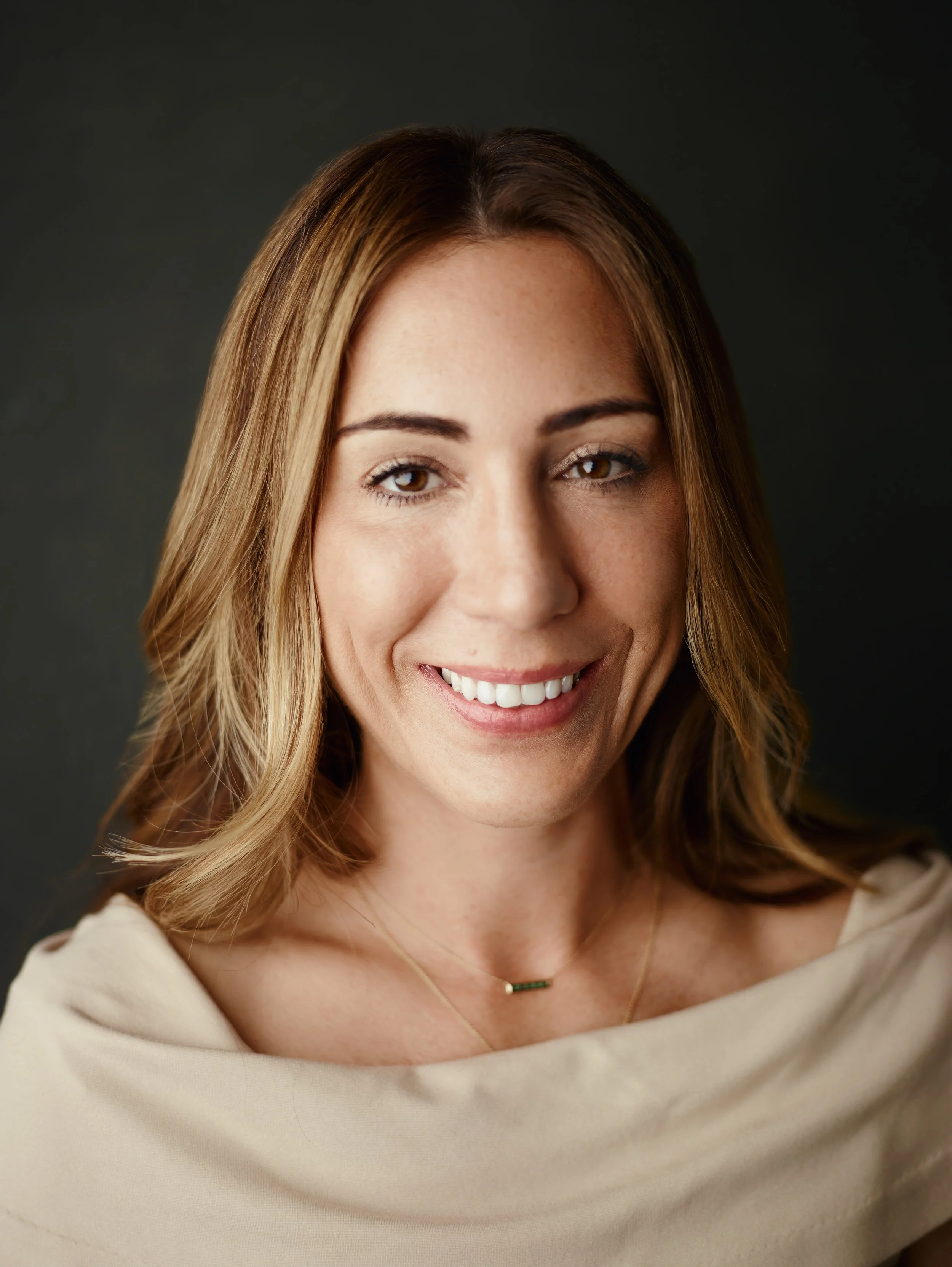
Everyone has potential. Everyone.
Everyone has potential — every single person. Yet most of us struggle to define it, cultivate it, and create the conditions for it to thrive. The Dark Horse philosophy is built on the belief that real success begins by looking inward, not outward. A Dark Horse doesn’t seek the spotlight; they do the work. They invest in understanding their gifts, ambitions, and developing the gaps in between — and through that process, they rise.
Over the years, I’ve seen leadership models evolve from command-and-control, to empathetic and inspiring, and now, too often, to performative. Somewhere along the way, we stopped asking the most important question: Is it working? Are we truly having an impact on people and the work that matters?
We are all leaders — not because of title or visibility, but because of how we show up, influence others, and shape our environment. Dark Horse leaders are those who do the inner work. They become deeply attuned to their strengths and limitations, lead with authenticity, and create meaningful impact because of it.
My mission is to help redefine what leadership looks like — to move it away from performance and toward purpose. When we each do the work, we all rise.

What sets me apart
When you work with me, you’re getting a trusted partner who is deeply invested in your success.I blend the psychological precision of my doctorate with the practical, outcome driven mentality of someone who's built something from nothing. Equal parts scalpel and empathetic ear.
I see what others miss. With over fifteen years of conducting psychological assessments, spotting patterns in behavior, and translating complex psychology into actionable insights, I help organizations move beyond gut feelings and office politics to make smarter, more data-backed decisions about their people.
I've been the underdog. I know how vulnerable it can feel to be assessed, and I take pride in establishing an environment in which my clients feel comfortable exploring their strengths and areas for improvement. I use assessment and data as a starting point — a compass to help us navigate toward what's possible. But I don't reduce people to numbers or force them into boxes.
My approach is candid, challenging, and designed to help people think differently about themselves and their teams. My feedback is honest, concise, and actionable — designed to build confidence, not tear it down.